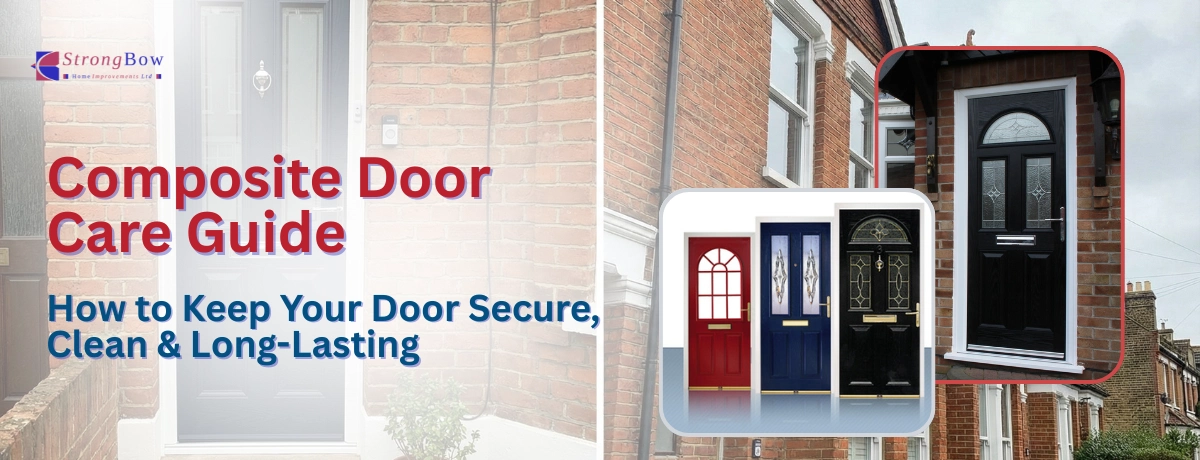
Composite doors are one of the most popular choices for UK homes, and for good reason. They offer excellent security, energy efficiency, and long-term durability, all while requiring far less upkeep than traditional timber doors.
But “low maintenance” doesn’t mean “no maintenance”.
With the right care at the right time of year, your composite door can look great and work smoothly for decades. This guide walks you through everything you need to know, from simple cleaning routines to seasonal checks and common issues to watch out for.
Why Composite Doors Are Low-Maintenance (But Not Maintenance-Free)
Composite doors are made from multiple layers of materials, typically including a solid insulated core, uPVC or timber reinforcement, and a tough GRP (glass-reinforced plastic) outer skin. This construction makes them:
- Resistant to warping and cracking
- Stable in changing temperatures
- Highly secure
- Excellent at keeping heat in and draughts out
Unlike timber doors, they don’t need painting or varnishing. However, dirt, weather exposure, and daily use still take their toll over time, which is why light, regular care matters.
How to Clean a Composite Door Properly
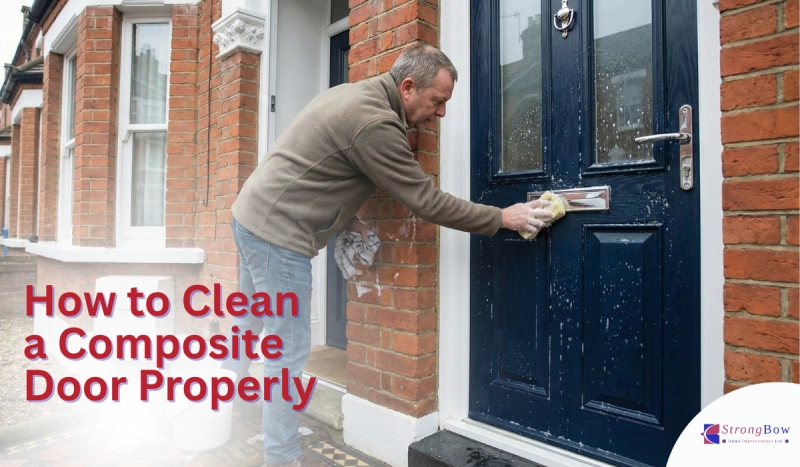
Before you start, gather a few basic household items. There’s no need for specialist products:
- Warm water
- A small amount of mild washing-up liquid
- A soft cloth, sponge, or microfibre cloth
Avoid abrasive cleaners, scouring pads, bleach, or solvent-based products, as these can scratch the surface or dull the door’s finish.
Step-by-step cleaning routine for Composite Door
Follow this simple process to clean your composite door safely and effectively:
- Start with the door surface – Dip your cloth into warm soapy water, wring it out, and gently wipe down the entire door. This removes everyday dirt, fingerprints, and airborne grime without damaging the outer skin.
- Clean the door frame and threshold – Frames and sills often collect dust, mud, and debris. Wipe these areas thoroughly, paying close attention to the corners and bottom edge where grime tends to build up.
- Dry the door properly- Use a clean, dry cloth to remove excess moisture. This prevents streaks and water marks, especially on darker-coloured doors.
If your composite door includes glass panels:
- Clean the glass using clean water or a standard glass cleaner
- Apply the cleaner to the cloth, not directly onto the door
- Wipe carefully to avoid letting liquid run onto the composite surface
How often should you clean your composite door?
A regular, gentle cleaning routine helps your composite door stay smart, secure, and trouble-free for years, without heavy maintenance or specialist products Here is a quick schedule you can follow to clean your composite door.
- Light wipe-down: Every few weeks
- Deeper clean: Once a month
- After bad weather: As needed
Cleaning time is also the perfect opportunity to do a quick visual check:
- Wipe down handles, hinges, and letter plates
- Check for stiffness in locks or hinges
- Look for any damage to seals or trim
If anything feels tight or difficult to operate, a small amount of light oil on moving parts can help.
Seasonal Composite Door Care (UK Weather Edition)
| Season | Common UK Weather Challenges | What to Check & Maintain | Practical Tips |
|---|---|---|---|
| Spring | Temperature changes, lingering winter moisture | Door alignment, surface condition, seals, hinges | Give the door a full clean, check for cracks or warping after winter, inspect seals for wear, and lubricate hinges and locks if needed. |
| Summer | Heat, direct sunlight, thermal expansion | Hinges, locks, door movement, colour stability | Lubricate moving parts, keep the door closed during peak sunlight, lift the handle fully when closing, and consider shade for south-facing doors. |
| Autumn | Rain, falling leaves, cooling temperatures | Weather seals, drainage holes, threshold | Clear drainage holes at the base of the frame, remove debris from thresholds, and replace any worn seals before colder weather arrives. |
| Winter | Cold temperatures, frost, increased moisture | Insulation performance, condensation, seals | Clean regularly to prevent grime build-up, keep seals in good condition, clear ice or standing water, and address stiffness immediately. |
Common Composite Door Problems (And What to Do)
1. Door Sticking or Jamming
A composite door that sticks or feels difficult to open or close is often reacting to temperature changes, dirt build-up, or minor alignment movement. This is especially common during warmer months when materials naturally expand.
Start by checking for dirt or debris around the frame, hinges, and seals. Cleaning these areas thoroughly often resolves the issue. If the problem continues, the door may need a small hinge adjustment to restore proper alignment.
What you can do:
- Clean seals, hinges, and frame edges
- Check for debris along the threshold
- Avoid forcing the door, which can worsen misalignment
If sticking persists, professional adjustment is recommended to prevent long-term wear.
2. Draughts or Cold Air Coming Through
If you can feel cold air around your door, it’s usually a sign that the weather seals are worn, damaged, or no longer making full contact with the frame. Draughts not only affect comfort but can also increase heating costs.
Inspect the seals carefully, particularly around the bottom of the door and corners. Replacing worn seals promptly restores insulation and helps keep your home warm and energy-efficient.
Common causes include:
- Perished or flattened weather seals
- Debris preventing seals from seating properly
- Minor door alignment issues
3. Water Leaks Around the Door
Water ingress is often linked to blocked drainage holes or damaged seals rather than the door itself. Composite door frames are designed to drain water safely away, but these channels must remain clear.
Check the drainage slots at the base of the frame and remove any leaves, dirt, or grit. Also inspect the seals for gaps or deterioration.
To prevent leaks:
- Clear drainage holes regularly
- Keep thresholds free from debris
- Replace damaged seals early
4. Lock or Key Stiffness
Difficulty locking or unlocking your door can feel worrying, but it’s often caused by dryness, dirt, or slight misalignment rather than a faulty lock. Applying a small amount of light oil to the lock mechanism can often restore smooth operation.
If stiffness continues, forcing the key can damage the cylinder or compromise security.
Helpful steps:
- Lightly lubricate the lock and hinges
- Ensure the door is fully aligned before locking
- Stop using the lock if resistance worsens
Persistent issues should be checked by a professional to maintain security standards.
5. Fading or Discolouration
Composite doors are designed to resist UV damage, but prolonged exposure to direct sunlight can still cause gradual fading over time, particularly on darker colours.
Regular cleaning helps preserve colour and finish. Avoid painting or varnishing unless advised by a specialist, as this can damage the door surface or void warranties.
Best practice:
- Clean the door regularly to remove surface contaminants
- Avoid harsh chemicals or polishes
- Consider shading solutions for heavily sun-exposed entrances
6. Condensation on or Around the Door
Condensation usually indicates moisture in the air rather than a fault with the door itself. Poor ventilation inside the home can cause condensation to form, particularly during colder months.
Improving airflow, using extractor fans, and maintaining consistent indoor temperatures can help reduce condensation around doors and glazing.
7. When a Small Issue Becomes a Bigger Problem
Many composite door issues start small and worsen over time if ignored. Addressing early warning signs protects both the door and your home’s security and energy efficiency.
If a problem persists despite basic maintenance, it’s always safer to seek professional advice rather than risk permanent damage.
Safe Decorating: Hanging Wreaths & Seasonal Décor
Festive decorating doesn’t have to damage your door.Never use nails, pins, adhesives, or screws, these can permanently damage the door skin and invalidate warranties.:Here are some top ways to do Festive decorating
✔ Over-door hangers
✔ Weight-rated suction cups
✔ Ribbon through letter plates or knockers
You can also check out our guide in details – How to Hang a Wreath on a Composite Door
Annual Composite Door Check (10-Minute Rule)
Once a year, spending just ten minutes checking your composite door can help prevent minor issues from turning into expensive repairs. This quick inspection focuses on the areas most affected by daily use and British weather. If anything doesn’t feel quite right, it’s always best to get professional advice before the issue worsens.
1. Check Door Alignment
Open and close the door slowly and observe how it moves within the frame. It should operate smoothly without scraping, catching, or bouncing back. Uneven gaps around the edges can indicate slight movement that may benefit from adjustment.
Look out for:
- Resistance when closing
- Uneven spacing around the frame
- Handle needing extra force to engage
2. Inspect Weather Seals
Run your hand around the door edges to feel for gaps or draughts. Seals should be flexible, intact, and firmly seated in their channels. Brittle or flattened seals can compromise insulation and allow moisture inside.
Why this matters:
- Maintains thermal efficiency
- Prevents water ingress
- Reduces heat loss in colder months
3. Test Locks and Handle Operation
Operate the handle and locking system several times. The movement should feel smooth and consistent, with no grinding or stiffness. Locking points should engage easily when the handle is lifted fully.
Action to take:
- Lightly lubricate moving parts if needed
- Stop using the lock if resistance increases
- Avoid forcing keys or handles
4. Examine Hinges and Fixings
Check that hinges are secure and free from corrosion or wear. Loose screws can affect alignment over time, while dry hinges may cause squeaking or stiffness.
Quick checks:
- Tighten loose fixings carefully
- Apply a small amount of light oil if needed
- Listen for new noises during operation
5. Look Over the Door Surface
Stand back and inspect the door skin for marks, cracks, or areas of discolouration. While composite doors are highly durable, early signs of surface damage should never be ignored.
Pay attention to:
- Chips or scratches
- Fading in high-sun areas
- Signs of impact or wear
6. Check Drainage and Threshold Area
Inspect the base of the door frame and threshold for dirt or debris. Drainage channels should be clear to allow water to escape properly, especially after heavy rain.
Good practice:
- Clear leaves, grit, and dust
- Ensure water flows away freely
- Wipe the threshold clean
7. Review Overall Door Performance
Finally, consider how the door feels day to day. A door that suddenly feels colder, noisier, or harder to operate is often giving an early warning that something needs attention.
Ask yourself:
- Does it still close firmly and securely?
- Does it feel as insulated as before?
- Has anything changed since last year?
While most composite door maintenance can be handled at home, some issues are best left to a professional. Ongoing alignment problems, lock or security upgrades, worn seals, or damage caused by storms or impact should always be checked by a qualified installer. Expert attention ensures the door is repaired correctly, restores smooth operation, and prevents small issues from developing into long-term damage.
Final Words
Composite doors are designed to handle British weather with minimal fuss, but a little care goes a long way. Regular cleaning, seasonal checks, and prompt attention to small issues will keep your door secure, energy-efficient, and looking its best for years to come.
Strongbow Home Improvements have been manufacturing and installing composite doors for homeowners across Huddersfield, Halifax, Dewsbury, Wakefield, Leeds, Bradford and West Yorkshire since 1994. If you need advice on caring for your door, windows, repairs, adjustments, or are considering a new composite door, our experienced local team is always happy to help with honest guidance and free, no-obligation quotations.