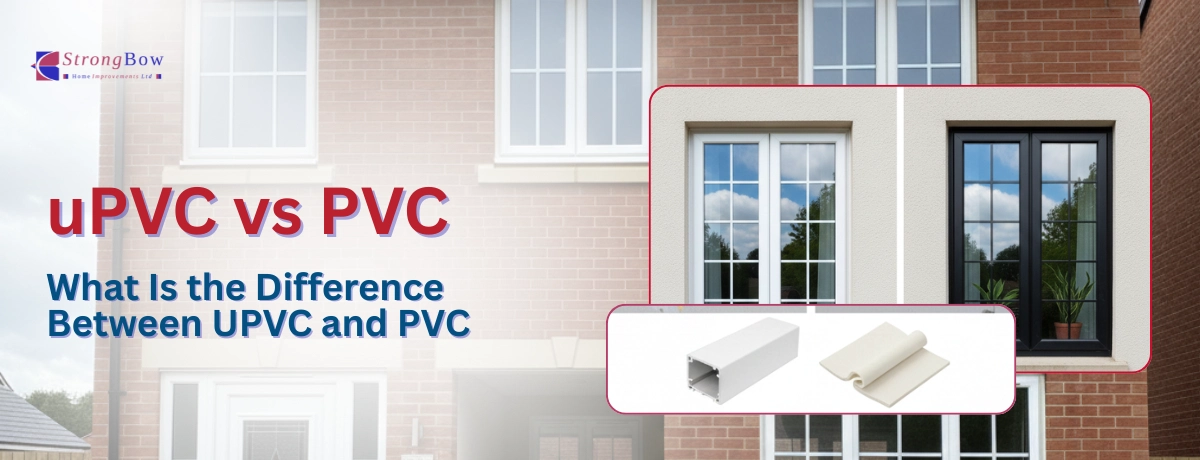
If you’ve been researching new windows, you’ve probably seen both uPVC windows and PVC windows mentioned, sometimes even on the same website. It feels confusing, especially when you’re trying to compare quotes or work out whether one option is genuinely better than the other.
Are they the same thing? Is one cheaper for a reason? Or is this just marketing language muddying the waters?
Let’s strip it back and explain the difference properly, without jargon or sales fluff.
Why uPVC and PVC Windows Get Confused in the UK
One big reason homeowners get stuck here is language. In everyday conversation, people often shorten technical terms. “PVC windows” rolls off the tongue more easily than “uPVC windows”, so it gets used casually by homeowners, tradespeople, and sometimes even in adverts.
The problem is that PVC is not a specific window-grade material. It’s a broad plastic category. When a supplier says “PVC windows”, they’re usually talking about uPVC frames, but they’re not being precise. That matters when you’re comparing quotes, specifications, and long-term performance.
This confusion can also hide shortcuts. Two quotes might both say “PVC windows”, yet one is built around a fully reinforced uPVC system while the other cuts corners on frame design and strength. On paper they look similar. In reality, they’re not.
The Real Difference Between uPVC and PVC
PVC stands for polyvinyl chloride. On its own, it is a rigid plastic. To make it flexible for certain applications, manufacturers add chemicals known as plasticisers. This creates standard PVC, which bends easily and works well for things like pipes, cable insulation, and vinyl flooring.
You may also see the phrase polyvinyl chloride windows used online or in older descriptions. In most UK contexts, this is simply the full technical name for PVC and is often used loosely to describe uPVC window systems rather than a different product altogether.
uPVC stands for unplasticised polyvinyl chloride. As the name suggests, the plasticisers are removed, leaving a much stiffer and more stable material designed specifically for structural use.
That stiffness is the whole point.
Window frames do not need to bend. They need to stay square, hold glass firmly, keep seals tight, and support locking systems over many years. Flexibility might sound harmless, but in window frames it leads to movement, draughts, and misalignment.
The key takeaway: window frames need rigidity, not flexibility. That is exactly why uPVC exists.
Are “PVC Windows” Actually Used in the UK?
In short, no, not in any meaningful way.
Modern UK window frames are almost always made from uPVC. Building regulations, weather demands, and security expectations simply don’t suit flexible PVC as a frame material.
You will find standard PVC all over your home, just not as window frames. It’s commonly used for waste pipes, electrical cable sheathing, decorative trims, and certain internal finishes. These applications benefit from flexibility. Windows don’t.
If a supplier keeps saying “PVC windows” without clarifying uPVC, it’s worth asking a direct question:
Are the frames uPVC, and are they steel reinforced?
Clear answers signal a professional installer. Vague ones are a warning sign.
uPVC vs PVC for Windows: Side-by-Side Comparison
| Feature | uPVC (Window Grade) | Standard PVC |
|---|---|---|
| Structural rigidity | High, designed for frames | Low, designed to flex |
| Resistance to warping | Excellent | Poor under load |
| Weather performance | Stable in wind and rain | Susceptible to movement |
| Seal stability | Holds gaskets firmly | Can loosen over time |
| Thermal contribution | Supports consistent insulation | Weak due to movement |
| Lifespan | 20–35 years with care | Not suitable long-term |
| Maintenance | Low | Not applicable for frames |
| Security compatibility | Accepts modern locks | Unsuitable |
This is why, in real UK housing conditions, PVC simply isn’t an alternative to uPVC for window frames.
What Matters More Than the Material Name
This is where many blogs stop, but this is also where most window problems actually begin.
Even with uPVC, performance varies massively.
Frame profile design matters. Multi-chamber profiles improve strength and insulation. Reinforcement matters too. Steel-reinforced frames behave very differently to hollow ones when exposed to wind and temperature changes.
Glazing quality is just as important. The type of glass, spacer bars between panes, and gas fill all affect heat retention and condensation control. Cheap spacers can undo the benefits of a good frame.
Then there are gaskets and seals. Poor-quality rubber hardens, shrinks, or pops out, leading to draughts even in relatively new windows.
And finally, installation. A perfectly made uPVC window fitted badly will underperform every time. Incorrect fixings, poor packing, or rushed sealing lead to movement and air leakage.
Two “uPVC windows” can perform very differently depending on the system behind them.
Performance in Real UK Conditions
UK weather is a proper test for windows. Driving rain, gusty winds, cold snaps, and long periods of damp all expose weaknesses quickly.
Rigid uPVC frames maintain pressure on seals when temperatures drop. That keeps draughts out and stops glass units from shifting. In contrast, flexible materials compress and relax repeatedly, which weakens seals over time.
UV exposure also matters. Quality uPVC resists discolouration and brittleness far better than lower-grade plastics. Colour stability isn’t just cosmetic. It’s a sign the material is holding its structure.
Stable frames protect locks too. When frames move, locking points misalign, making windows harder to close and easier to force.
Cost Differences: Why Quotes Vary So Much
You’ll sometimes see “PVC windows” advertised at a lower price. On the surface, it looks like a saving. In reality, it’s often a sign of vague specifications or stripped-down systems.
uPVC systems cost more upfront because they’re engineered for longevity. Reinforcement, better seals, and proper profiles add cost, but they also add years of service.
Cheap quotes usually cut corners on reinforcement, glazing thickness, or installation time. Those savings show up later as draughts, condensation, and repairs.
Replacement costs hurt more than the initial saving ever helped.
Buyer Checklist: How to Choose the Right Windows
Before you agree to anything, use this checklist:
- Ask whether the frames are uPVC and steel reinforced
- Check the glazing specification, not just “double glazed”
- Confirm the type of spacer bars used
- Ask how the windows will be fixed and sealed
- Look for clear warranty terms on frames and installation
- Be wary of vague wording like “PVC windows” with no detail
If details are missing or brushed off, that’s a reason to pause.
Worth Reading: Aluminium vs uPVC Windows
Final Verdict: Which Should You Choose?
For UK homeowners, uPVC is the correct and proven choice for window frames. PVC, in its standard form, simply isn’t designed for the job.
But the real decision isn’t PVC versus uPVC. It’s about system quality, reinforcement, glazing, and installation. Focus on those, and the material name becomes a lot less confusing.
Choose clarity over shortcuts, and your windows will repay you with comfort, security, and fewer headaches for decades to come.
Strong Bow Home Improvements has spent decades manufacturing and installing uPVC windows designed specifically for UK homes, where frame rigidity, proper reinforcement, and accurate installation make the real difference.
By focusing on system quality rather than vague terminology, our approach reflects what actually matters once the windows are in place: comfort, security, and reliability that holds up year after year. Contact Today for a quick quote.