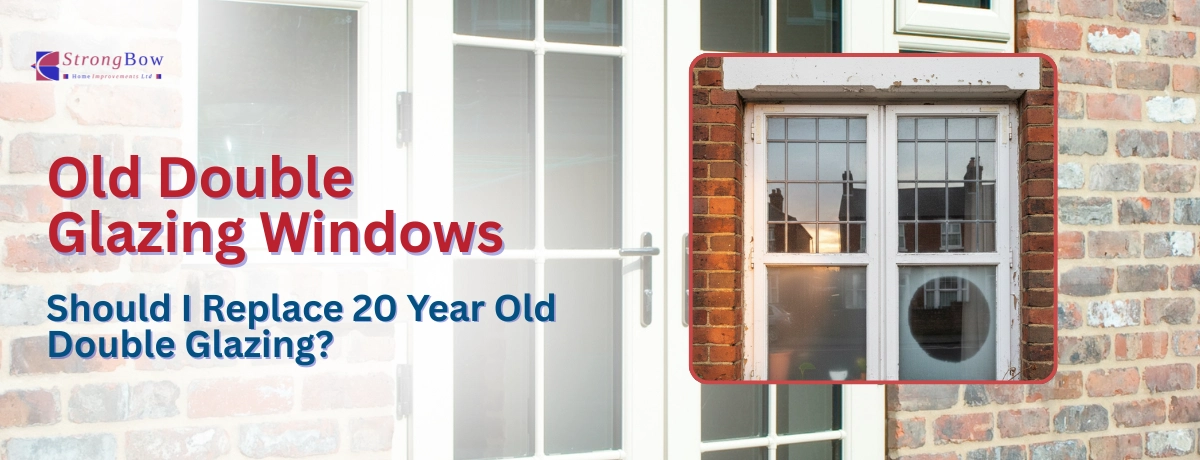
If your double glazing was installed around the early 2000s, you are now at the point where many UK homeowners start asking a sensible question: is it still doing its job, or is it time to replace it?
This guide is written for UK homeowners, landlords, and estate agents who want a clear, practical answer, not sales talk. We will cover how long double glazing realistically lasts, when repairs make sense, when replacement is the smarter option, and how old windows affect energy bills, comfort, and property value.
How Long Does Double Glazing Last in the UK?
Most double-glazed windows are designed to last 20–25 years, but lifespan depends heavily on:
- Quality of the original installation
- Exposure to weather (wind-driven rain, coastal air, pollution)
- Frame material (uPVC, PVC, aluminium, timber)
- Maintenance over time
Many 20-year-old units are still standing, but performance usually declines well before visible failure. Seals weaken, frames lose rigidity, and thermal efficiency falls behind modern standards.
What Has Changed in Double Glazing Since the Early 2000s?
Even if your windows “look fine”, glazing technology has moved on considerably. Key Differences: Then vs Now
| Feature | 20-Year-Old Double Glazing | Modern Double Glazing |
|---|---|---|
| Glass | Basic double panes | Low-E coated glass |
| Gas fill | Often air | Argon or krypton gas |
| Spacer bars | Aluminium (conductive) | Warm-edge spacers |
| Frame insulation | Limited | Multi-chamber profiles |
| Security | Basic locks | Multi-point locking |
| Typical U-value | 2.8–3.0 W/m²K | As low as 1.2–1.4 W/m²K |
Lower U-values mean less heat escaping, which directly affects heating costs and comfort.
A Simple Checklist: Are Your Windows Near the End of Their Life?
Use this checklist to assess your current double glazing honestly.
Glass & Seals
- Persistent condensation between the panes
- Cloudy or milky appearance that never clears
- Draughts felt near the glass edge
Frames
- Warped, bowed, or cracked uPVC
- Discolouration or brittleness
- Difficulty opening or closing
Comfort & Bills
- Cold spots near windows in winter
- Rooms overheating in summer
- Rising heating costs despite similar usage
Noise & Security
- Outside noise more noticeable than before
- Loose handles or worn locking mechanisms
If you are ticking three or more, replacement is usually more cost-effective than ongoing repairs.
Signs Double Glazing Can Be Repaired Instead of Replaced
Not all problems with older double glazing mean full replacement is required. In many UK homes, especially those with decent-quality uPVC frames, targeted repairs can restore performance and extend the life of the windows by several years.
If condensation appears inside the glass unit, this usually means the perimeter seal has failed. While the affected sealed unit will need replacing, the surrounding frame often remains perfectly serviceable. Replacing the glass unit alone is far less disruptive and more cost-effective than changing the entire window, provided the frame is still square and secure.
Double glazing windows that feel draughty are not always beyond repair. Draughts often come from worn gaskets, compressed seals, or minor alignment issues caused by natural movement over time. Replacing seals or adjusting hinges can significantly improve comfort and stop heat loss without removing the whole window.
Stiff handles, loose hinges, or locking issues are also common in older installations. These components are designed to be replaceable and, in many cases, upgrading the hardware can improve both security and usability. As long as the frame itself is not warped or cracked, hardware replacement is usually a sensible fix.
Repair is generally a good option when the problem is localised, the frames remain structurally sound, and the window still opens, closes, and locks properly. In these situations, a professional assessment can help you avoid unnecessary replacement while keeping your windows functional and safe.
If issues are limited to one or two double glazing windows, or a small number of sealed units, repair is often the most practical short- to medium-term solution. However, repairs should only be considered if the underlying frame condition is good; otherwise, costs can quickly add up without delivering long-term benefits.
When Replacement Is the Better Long-Term Decision
Replacement becomes the sensible option when:
- Multiple units have failed
- Frames have warped or lost rigidity
- Locks and hardware are outdated and insecure
- Energy loss is affecting comfort and bills
Older double glazing window frames often cannot accommodate modern high-performance glass properly. In these cases, new glass alone will not deliver full benefits.
Worth reading: How to Choose the Best uPVC Window Manufacturer
Energy Efficiency: The Hidden Cost of Keeping Old Windows
Heat loss through glazing is one of the most common issues in UK homes with older windows.
Modern double glazing can:
- Reduce heat loss by up to 50% compared to early units
- Cut draughts that make rooms feel colder than they are
- Improve EPC ratings, especially important for landlords
With current energy prices, many homeowners find that upgraded windows pay back through lower heating costs and improved comfort.
Property Value & Saleability Considerations
For estate agents and landlords, double glazing windows matter more than many realise.
- Buyers increasingly notice EPC ratings
- Old glazing can raise survey concerns
- Poor windows often trigger price negotiations
Replacing tired 20-year-old glazing can:
- Improve kerb appeal immediately
- Remove objections during surveys
- Make properties easier to market, especially in colder months
Repair vs Replacement: A Quick Decision Checklist
| Situation | Repair | Replace |
|---|---|---|
| One failed unit | ✔ | |
| Sound frames | ✔ | |
| Multiple failed seals | ✔ | |
| Warped or brittle frames | ✔ | |
| High energy loss | ✔ | |
| Security concerns | ✔ |
Also Read: Red Flags to Avoid Before You Place a Window Order
So, Should You Replace 20-Year-Old Double Glazing?
In most our homes, 20-year-old double glazing is approaching or already past its optimal performance window.
- If issues are isolated, repair can buy time
- If problems are widespread, replacement is usually the smarter long-term investment
- Comfort, energy efficiency, and property value should guide the decision, not just appearance
A professional assessment is essential. A good installer will explain what can be fixed, what cannot, and why, without pressure.
If you want an honest assessment rather than a sales pitch, working with an experienced local manufacturer and installer matters. We Strongbow Home Improvements, established in 1994 and manufacturing their own uPVC windows, are well placed to advise whether repair or replacement makes the most sense for your property. You can fill this form to get a quick quote or survey.
The right decision is not always replacement, but when it is, doing it once and doing it properly saves money and stress in the long run.